

Sell Your Louisiana Land for Cash — Fast, Fair Offers
From the Gulf Coast prairies of Calcasieu to bayou country, the north-shore St. Tammany corridor, and the Shreveport-Bossier tracts — we make written cash offers on rural Louisiana land in as little as 24 hours. No agents. No fees. No drawn-out listings. Tell us your parish and acreage and we'll send a specific written offer.
All 64 parishes · any condition · cash
- No fees
- Any condition
- Offer in 24 hours
Own land in Louisiana?
Get a cash offer in 24 hours.
- 64 parishes covered
- 21–30 days to close, typical
- $0 fees or closing costs to you
- 24 hrs to a real offer
The land we buy here
- Cutover timber
- Pasture & pipeline right-of-way
- Bayou frontage
- Piney woods tract
- Inherited & overgrown
The parishes we buy in across Louisiana
The Perspective Properties Advantage
Why Choose Us
-

Fair Cash Offers
We research every property thoroughly to ensure you receive a competitive, market-based offer.
-

Fast Closings
Close in as little as 14 days. Faster on clear-title parcels — and we work to your timeline if you need longer.
-

Zero Commissions
No agent fees, no commissions, no hidden costs. The offer we make is the amount you receive.
-

Flexible Closings
Choose the closing date that works for your schedule. We work around your timeline, not ours.
Simple 3-Step Process
How It Works
-

Request Your Cash Offer
Fill out our quick form or give us a call. Tell us about your property and we'll start reviewing it right away.
-

Receive a No-Obligation Offer
We'll research your property and present you with a fair, no-obligation cash offer in as little as 24 hours.
-

Close on Your Terms
Pick your closing date. We handle all the paperwork, cover all closing costs, and pay you cash at closing.
Louisiana Land Context
Louisiana Land: From Coastal Prairie to Sportsman's Paradise
Louisiana land is best understood as several distinct land economies sharing a single state. The Gulf Coast prairie around Lake Charles and Calcasieu Parish runs into the Creole Nature Trail — a National Scenic Byway winding through coastal marsh that frames much of the region's identity. East of Lake Charles, Cajun country spreads south of Interstate 10, where family land has stayed in the same names for generations. North of I-10, the Baton Rouge exurban ring pulls through Livingston, Ascension, and Tangipahoa, anchored by Hammond and Southeastern Louisiana University. Further north and east, the Lake Pontchartrain north shore — St. Tammany Parish from Mandeville to Covington, connected to New Orleans by the Lake Pontchartrain Causeway — is its own land economy, distinct in character from the rural timber country. In the northwest, Shreveport-Bossier bridges the Texas and Arkansas borders, with Caddo Lake's cypress bayous marking the western edge and Barksdale Air Force Base anchoring steady employment demand in Bossier.
Sellers across these regions share some common threads. Inherited family land — a Calcasieu hunting camp, a Tangipahoa north-shore tract, a Caddo timber parcel — is often held by heirs who live well outside Louisiana and have not visited in years. Cajun-diaspora descendants whose families scattered out of state generations ago hold land that sits under-managed, with parish taxes accumulating quietly. Some owners in south Louisiana relocated after major storm seasons and settled permanently elsewhere; the parcel remained, but life did not return to the parish. Louisiana uses parishes rather than counties, and each parish has its own notary and tax office structure — local specifics matter to how a closing runs.
We buy across all these parish environments. Whether you have a south-Louisiana bayou parcel, a St. Tammany north-shore acreage, a Shreveport-area timber tract, or a Baton Rouge exurban lot, submit it and we'll send a written offer. Every offer is specific to the parcel — parish, access, acreage, and condition all shape what we can pay.
Common Louisiana Seller Profiles
Who We Buy From in Louisiana
-
Heirs holding inherited Cajun-family land
A south-Louisiana parcel in Calcasieu, Tangipahoa, or Ascension that passed through two or three generations of a Cajun family. Current heirs have full-time jobs in Houston, Baton Rouge, or out of state, and no interest in driving back to the parish courthouse to manage taxes and brush.
-
Hunting-camp heirs across Sportsman's Paradise
Inherited a timber tract, hardwood bottom, or bayou-frontage hunting camp that was a family gathering place for decades. Heirs are scattered across the South, the camp goes unused most of the year, and they want a clean cash sale rather than coordinating a multi-heir listing.
-
Retiree downsizers across Louisiana
Owners who bought rural acreage in Livingston or St. Tammany intending to retire on it, then changed plans or moved closer to family. The Louisiana parcel sits idle, taxes keep coming, and we close remotely so they never have to travel back.
-
Hurricane-displaced absentee owners
South Louisiana property owners displaced by successive storm seasons across Calcasieu, the river parishes, and the Lake Charles area. Many left the parish for neighboring states after the storm and never returned. The Louisiana lot or acreage is now far from where they live and easier to sell than to manage.
-
Multi-generational timber-family heirs in NW Louisiana
Caddo and Bossier parish timber tracts that have been in the family for three or four generations — often a parcel not cruised or harvested in a decade. Heirs are spread across the western and northern border regions and want a cash sale, not a crash course in Louisiana timber rotations.
These are common situations — not the only ones. If you own land in Louisiana and want a cash offer, submit your parcel below.
Louisiana at a Glance
Louisiana Land: The Numbers That Shape an Offer
A few Louisiana-specific facts explain most of what surprises sellers here. The state is built on civil law rather than common law, it uses parishes instead of counties, and its tax and recording rules do not line up with the rest of the country. None of it stops a clean cash sale, but it does change how a closing runs and what a parcel nets you after taxes.
The figures below are statewide reference points, verified against primary sources. Your parcel's real number comes from its parish, its access, and its condition — not from an average.
64 parishes, not counties
Louisiana is the only state divided into parishes — 64 of them. Each parish runs its own Clerk of Court, assessor, and annual tax-sale cycle, so the local specifics change from one parish line to the next.
No statewide transfer tax
Louisiana levies no statewide real estate transfer tax. Orleans Parish is the exception, with a flat $325 documentary transaction tax per act of sale; most parishes charge only a tiered recording fee, roughly $100 to $305 depending on page count.
State income tax on your gain: 3.0% flat
A gain on a land sale is taxed as ordinary income at Louisiana's flat 3.0% rate for tax years beginning on or after January 1, 2025. Federal capital-gains tax applies separately on top of that.
Average land value: about $3,850/acre
Louisiana farm real estate averaged roughly $3,850 per acre in the 2025 USDA figures — cropland near $3,570, pasture near $3,490. A statewide average is only a starting point; a north-shore tract and a delta timber stand price nothing alike.
Property taxes among the lowest in the country
Effective rates sit near 0.55%. The $75,000 homestead exemption applies to a primary residence only — it does nothing for vacant land, so parish taxes keep accruing on an unused parcel year after year.
Tax-sale redemption: three years
If a parcel has already gone to a parish tax sale, the owner generally has three years from the date it was recorded to redeem it — eighteen months if the property is declared blighted. We settle delinquent taxes at closing and net them against your proceeds.
What Makes Louisiana Different
Selling Louisiana Land: Parish Records, Successions, Taxes & Wetlands
Parishes and the Clerk of Court, not counties and recorders
Louisiana is the only state that divides itself into 64 parishes rather than counties, and the difference reaches into how your deed actually gets recorded. Your deed — the act of sale — is recorded with the parish Clerk of Court, who serves as the ex-officio recorder of conveyances and mortgages and keeps two separate indices: a conveyance index for transfers of ownership and a mortgage index for liens, judgments, and mortgages. There is no separate "county recorder." When we run title on a parcel, we are pulling the chain through that parish's clerk records — for example, the Jefferson Parish Clerk of Court publishes exactly how its conveyance and mortgage records work. Older Louisiana deeds and unfinished successions are where chain-of-title gaps hide, which is the single most common thing that slows a Louisiana closing.
Inherited land moves through a succession — and one heir can force a sale
Louisiana runs on civil law descended from the Napoleonic Code, so inherited property passes through a succession (the civil-law term for what most states call probate), not a common-law probate. Two rules matter most to families selling inherited land. First, forced heirship under Louisiana Civil Code Article 1493 protects descendants who are 23 or younger at the parent's death, or descendants of any age who are permanently incapable of caring for themselves. Second, co-owned inherited land is held "in indivision," and under Civil Code Articles 807 and 811 any co-owner can demand a partition; when the parcel cannot be conveniently divided in kind, a court can order it sold — by licitation (public auction) or private sale — with proceeds split by ownership share. In plain terms: a single heir who wants out can force the land to be sold, even over the other heirs' objections. A clean cash sale that every heir signs is almost always faster and cheaper than a court partition. None of this is legal advice — confirm your own situation with a Louisiana-licensed attorney before signing.
Back taxes and the three-year redemption window
Each parish runs its own annual tax-sale cycle through the assessor and sheriff. If a parcel has already gone to tax sale, the Louisiana Constitution (Article VII, Section 25) gives the owner three years from the date the tax sale is recorded to redeem it — eighteen months if the property has been declared blighted or abandoned — by paying the sale price plus a five-percent penalty and one-percent-per-month interest. We handle delinquent taxes routinely: our team works with your parish tax office and notary to calculate the payoff, settle it at closing, and net it against proceeds, so in most cases you pay nothing out of pocket. Tell us upfront if taxes are owed so we build it into the offer cleanly.
What Louisiana land is worth — and why bayou acreage is its own question
Per the USDA National Agricultural Statistics Service 2025 Land Values summary, Louisiana farm real estate averaged about $3,850 per acre, with cropland near $3,570 and pasture near $3,490 — but a statewide average is a poor starting point for a specific parcel. A St. Tammany north-shore tract, a Caddo timber stand, and a Calcasieu bayou-adjacent piece price very differently; the LSU AgCenter's Louisiana land-market surveys track those regional and timberland spreads. Wetland and bayou land carries an extra layer: placing fill in wetlands that qualify as "waters of the United States" generally requires a Clean Water Act Section 404 permit from the U.S. Army Corps of Engineers (with EPA oversight), codified at 33 U.S.C. § 1344, and work in the coastal zone can require a Louisiana Coastal Use Permit from the state Office of Coastal Management. You do not need to resolve any of that before selling to us — we buy as-is — but it does shape what a parcel is worth, and we factor it into the written offer.
Severed minerals may have quietly reverted to the surface owner
Louisiana does not recognize a permanent severed mineral estate the way Texas does. When minerals are reserved or sold apart from the surface, Louisiana instead creates a mineral servitude — and a servitude is extinguished by ten years of non-use, meaning no drilling, production, or other qualifying operation, under the Louisiana Mineral Code at Title 31 of the Revised Statutes (LA R.S. 31:27). In plain terms, a mineral reservation signed decades ago may already have prescribed back to whoever owns the surface today — the opposite of the Texas rule, where a severed mineral estate lasts forever. That is why we read the servitude history through the parish conveyance records rather than assume an old severance is still live; the full text is published by the Louisiana State Legislature. You do not need to untangle the mineral chain yourself — we handle that examination as part of the offer.
A small succession can clear inherited title without a full court proceeding
Not every inherited Louisiana parcel needs a full succession. Under the Code of Civil Procedure, a small succession can be handled by a recorded affidavit — no court judgment of possession required — when the estate's gross value is $125,000 or less, or when the person died twenty or more years ago regardless of value, per LA C.C.P. art. 3421. That affidavit is recorded in the conveyance records of each parish where the land sits and stands in for a formal judgment of possession. For a lot of the older, long-dormant parcels we buy, the affidavit route is faster and far cheaper than opening a full succession. Where a full succession is genuinely needed, we say so plainly and point you to a Louisiana attorney before anything is signed rather than paper over a title gap.
What Louisiana taxes when you sell — and what it doesn't
Louisiana's transfer-tax picture is friendlier than most states. There is no statewide real estate transfer tax; only Orleans Parish adds a flat $325 documentary transaction tax per act of sale, and most other parishes charge nothing beyond a tiered recording fee. Where Louisiana does reach a land sale is on the gain: the state taxes it as ordinary income at a flat 3.0% rate for tax years beginning on or after January 1, 2025, after the graduated brackets were repealed by HB 10 of the 2024 Third Extraordinary Session — current rates are published by the Louisiana Department of Revenue. Federal capital-gains tax applies separately, at the long-term rates the IRS lays out in Topic 409. We are land buyers, not tax advisors, so confirm your own numbers with a CPA — but the short version is that a Louisiana land sale usually carries no transfer tax and a low, flat state rate on any gain.
Louisiana Parishes in Detail
A Closer Look at Louisiana Land, Parish by Parish
Louisiana uses parishes rather than counties. The seven parishes below anchor our Louisiana pipeline:
Calcasieu Parish (Lake Charles / Gulf Coast)
Lake Charles is the heart of the Gulf Coast prairie, with Sam Houston Jones State Park, the Creole Nature Trail National Scenic Byway winding through coastal marsh, and McNeese State University anchoring the local economy. Cajun-Creole heritage runs deep here, and rural land ranges from agricultural tracts to bayou-adjacent acreage. Common sellers: absentee heirs and owners who relocated and left land behind.
Caddo Parish (Shreveport / NW Louisiana)
Shreveport anchors northwest Louisiana, with LSU-Shreveport and Centenary College in the city and Caddo Lake's cypress bayous on the Texas-Louisiana border to the west. Cross Lake adds local water recreation. Timber tracts across the parish have often been in families for generations, with current heirs living in Texas or neighboring states. Common sellers: timber-family heirs and out-of-state descendants of Caddo landowners.
Bossier Parish (Shreveport Metro)
Across the Red River from Shreveport, Bossier City runs from the Louisiana Boardwalk casino corridor to Barksdale Air Force Base — home of Air Force Global Strike Command. Lake Bistineau sits to the east. Rural and semi-rural acreage here sits within reach of solid metro employment. Common sellers: small-acreage heirs and downsizing owners.
Tangipahoa Parish (Hammond / North Shore)
Hammond is home to Southeastern Louisiana University, a dominant regional employer, and Ponchatoula, known as the Strawberry Capital of the World. The parish sits on the north shore of Lake Pontchartrain, feeding the I-12 corridor with exurban growth from the New Orleans metro. Common sellers: north-shore acreage heirs and exurban downsizers.
Livingston Parish (Baton Rouge Metro East)
Denham Springs and the Tickfaw River corridor define much of Livingston — Tickfaw State Park and the Maurepas Swamp give the parish its natural character while Baton Rouge employment keeps exurban demand steady. Common sellers: inherited family parcels and retiree downsizers.
Ascension Parish (Baton Rouge Metro South)
Gonzales is the self-proclaimed Jambalaya Capital of the World; Donaldsonville to the south is one of Louisiana's oldest towns. The Mississippi River corridor and petrochemical employment shape the economy. Common sellers: multi-generational heirs and absentee owners.
St. Tammany Parish (North Shore — Mandeville / Covington)
Mandeville and Covington anchor the north shore, connected to New Orleans by the Lake Pontchartrain Causeway and linked by the Tammany Trace rails-to-trail. Honey Island Swamp lies to the east. This is one of the stronger recreational and residential corridors in Louisiana. Common sellers: long-held family acreage and retirees relocating closer to family.
We buy land in all 64 Louisiana parishes — submit any parcel for a written offer in as little as 24 hours.
Regional Coverage
Louisiana's Land Regions — and Every Parish We Buy In
Louisiana's 64 parishes fall into a handful of distinct regions, and where a parcel sits shapes its value and how fast it moves more than almost anything else. A pine tract in the northwest, a sugarcane parcel on a river levee, and a marsh-edge lot on the coast are three different land economies, even though they share a state and a legal system.
We buy in every parish. The groupings below organize the state the way a Louisiana landman or title attorney would, and all 64 parishes are listed under the region each belongs to. Wherever your parish sits on that list, the offer process is identical statewide.
Acadiana — South-Central Cajun Country. The cultural heart of French Louisiana, running west and south of Lafayette across rice prairie, sugarcane, and crawfish country. Land here has often stayed under the same family names for generations, and by the time it reaches us the heirs are frequently scattered well beyond the state. Parishes: Acadia, Evangeline, Iberia, Lafayette, St. Landry, St. Martin, Vermilion.
The Florida Parishes and Northshore. East of the Mississippi and north of Lake Pontchartrain — the piney, rolling country that was once part of West Florida. St. Tammany and Tangipahoa carry fast-growing exurban demand off the New Orleans and Baton Rouge metros, while the Felicianas stay rural and wooded. Parishes: East Baton Rouge, East Feliciana, Livingston, St. Helena, St. Tammany, Tangipahoa, Washington, West Feliciana.
North Louisiana — Shreveport-Bossier, Monroe, and the Delta. Timber and row-crop country stretching from the Texas and Arkansas lines east to the Mississippi Delta. Caddo and Bossier hold pine timber and metro-edge acreage; the northeast delta parishes run to cotton, soybeans, and bottomland hardwood. This is the region where multi-generational timber tracts most often sit uncruised for a decade. Parishes: Bienville, Bossier, Caddo, Caldwell, Claiborne, DeSoto, East Carroll, Franklin, Jackson, Lincoln, Madison, Morehouse, Ouachita, Red River, Richland, Sabine, Tensas, Union, Webster, West Carroll, Winn.
Central Louisiana — Alexandria, Natchitoches, and the Kisatchie. The wooded middle of the state around the Kisatchie National Forest, where pine plantation and recreational tracts dominate and Natchitoches holds some of the oldest chains of title in the country. Parishes: Avoyelles, Catahoula, Concordia, Grant, LaSalle, Natchitoches, Rapides, Vernon.
Greater New Orleans and the Southeast. The urbanized southeast plus the Mississippi River parishes below the city. Land is scarcer here and often carries wetland or flood considerations, but river-corridor and metro-fringe parcels still change hands. Parishes: Jefferson, Orleans, Plaquemines, St. Bernard, St. Charles, St. James, St. John the Baptist.
Southwest Louisiana — Lake Charles and the Gulf Coast Prairie. Calcasieu and its neighbors — coastal prairie, marsh, and the industrial corridor around Lake Charles. This region absorbed repeated storm seasons, and displaced absentee owners who resettled out of state are among the most common sellers we work with. Parishes: Allen, Beauregard, Calcasieu, Cameron, Jefferson Davis.
The Atchafalaya Basin and Bayou Parishes. River and bayou country along the lower Mississippi and the Atchafalaya — sugarcane on the natural levees, cypress swamp and marsh behind them. Terrebonne and Lafourche reach deep into coastal bayou land where access is by water as much as by road. Parishes: Ascension, Assumption, Iberville, Lafourche, Pointe Coupee, St. Mary, Terrebonne, West Baton Rouge.
That is all 64 parishes. Dedicated parish-level pages are still being built out, so there is no separate page for each one yet — but you don't need one to get an offer. Tell us the parish and the acreage and we work the parcel directly, wherever in Louisiana it sits.
What It Actually Looks Like
A Typical Louisiana Sale, Start to Finish
The situation we see most often in Louisiana begins with inherited land. A parcel — a hunting camp in Vernon, a family tract in St. Landry, a few wooded acres in Tangipahoa — passed to two or three heirs when a parent or grandparent died, and the succession was never fully closed. The heirs live in Houston, Dallas, Atlanta, or farther. Parish taxes have been accruing quietly for years, and no one wants to drive back to the courthouse to sort it out. The land is not a burden anyone chose; it is one they inherited.
When a parcel like that comes in, we start by pulling the chain of title through the parish Clerk of Court's conveyance records to see exactly how ownership sits and whether the unfinished succession left a gap. If the estate qualifies, a small-succession affidavit can often clear title without a full court proceeding. If it needs more than that, we tell the heirs before they spend a dollar rather than paper over the problem. We calculate any delinquent parish taxes and build the payoff into the written offer, so the balance comes out of the proceeds instead of anyone's pocket.
Because Louisiana requires the act of sale to pass before a Louisiana notary, we coordinate that end for the family. Out-of-state heirs sign a power of attorney in front of a notary in their own state, documents move electronically, and funds wire on closing day. Most of these sales close in about two to three weeks once title is clear. No heir has to travel, and no one carries the cost or the wait of a traditional listing on rural land that a thin local buyer pool was never going to move quickly.
Got a Louisiana parish parcel you're ready to let go?
We'll have a written cash offer to you in as little as 24 hours.
Any Size, Any Condition
We Buy All Types of Land
-
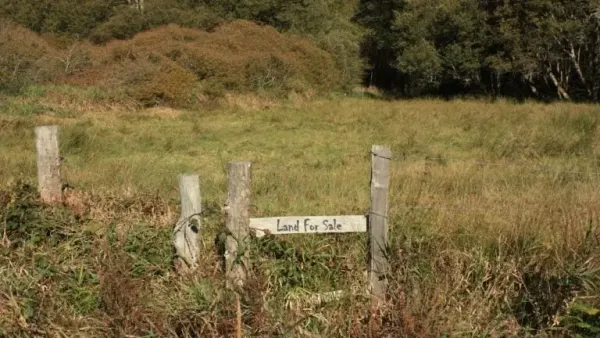
Vacant / Undeveloped
-
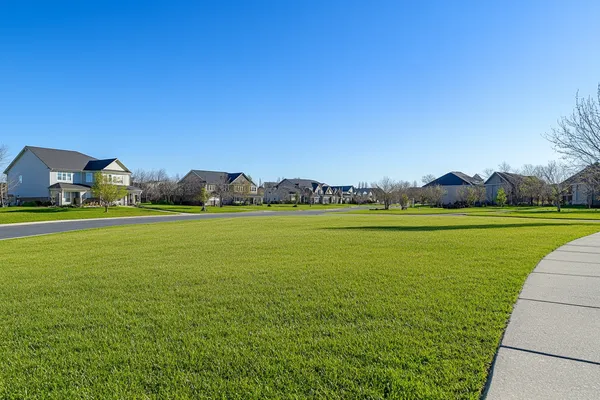
Residential / Suburban
-
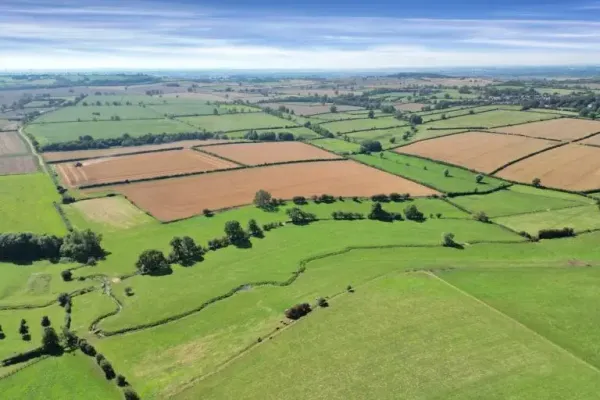
Farmland / Agricultural
-
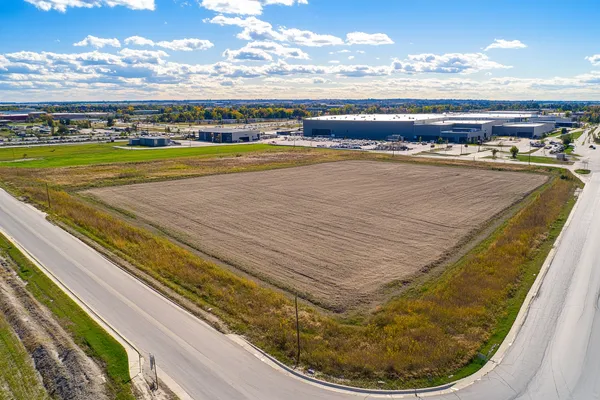
Commercial / Industrial
Louisiana Land Resources
Related Guides for Louisiana Landowners
Cash Sale vs. Agent vs. FSBO
Three Ways to Sell Louisiana Land — and What Each Costs You
Selling rural Louisiana land comes down to three paths, and they are not equal. A real estate agent will list it, but land moves slowly — the buyer pool for a wooded parish tract or a bayou-edge lot is thin, listings can sit for six to twelve months, and a five-to-ten-percent commission comes off the top when it finally sells. All the while, parish taxes keep arriving.
For-sale-by-owner saves the commission but hands you the whole job: marketing the parcel, screening buyers, and — this is the Louisiana-specific part — arranging the act of sale before a notary, clearing any open succession, and settling delinquent taxes at closing. Selling directly to us folds all of that into one transaction. We make a written cash offer in as little as 24 hours, we pay the closing costs, we handle the notarial closing and the parish title work, and we charge no commission. On clear title, we can close in as little as 14 days. The table below sets the three side by side.
See the Difference
Why Sell to Us?
| Real Estate Agent | For Sale by Owner | Perspective Properties | |
|---|---|---|---|
| Commissions / Fees | 5–10% | Varies | None |
| Closing Costs | You Pay | You Pay | We Pay |
| Timeline | 6–12 months | Unknown | As Little as 14 Days |
| Showings / Inspections | Multiple | You Handle | None |
| Repairs Required | Often | Often | Never |
| Certainty of Sale | Low | Very Low | High |
Who You're Working With
About Perspective Properties
Perspective Properties LLC is a cash land-buying company led by Managing Partner Christian Smith. We buy vacant land, rural acreage, and lots for cash across nine states, and Louisiana is one of the states we actively buy in. The parish system, the notarial act of sale, the way a succession has to be closed before title moves cleanly — those are rules our team works inside every week, not ones we look up after the fact.
Christian brings years of real estate investing experience and has worked with hundreds of landowners across the nine states we serve. The model is deliberately plain: a fair written offer, no agent fees or commissions, no closing costs charged to you, and a process built to respect your time. When you reach out, you talk with our team directly — not a call center — and the number we put in writing is the amount you receive. If you want to read more before you submit a parcel, our about page covers who we are and how we work.
Common Questions From Louisiana Sellers
Louisiana Land Selling FAQ
Do I need a real estate license to sell my land in Louisiana?
In Louisiana, the for-sale-by-owner exemption typically applies to landowners selling their own parcels — but Louisiana's notarial system and parish variations mean exemptions are case-specific. Confirm with a Louisiana-licensed attorney if you have any doubt. Direct owner sales are routine across the state, and we handle title and closing through your local Louisiana notary or title company. You sign the deed; the notary handles recording with the parish and the title company coordinates disbursement. If your situation is more complex — multiple heirs across parishes or out of state, succession not yet completed, contested title, or older deeds with chain-of-title gaps from generations back — we will tell you what we are seeing and recommend you consult a Louisiana-licensed attorney before signing.
How long does closing typically take in Louisiana?
Louisiana closings typically run 14 to 21 days from accepted offer to wire. Louisiana uses a notarial system unique in the country — the act of sale must be executed before a Louisiana notary public and recorded in the parish conveyance records. For out-of-state sellers, a Louisiana notary coordinates the act on the Louisiana end; what slows closings is unfinished successions or multi-generational deeds where the chain of title through the parish clerk's records has gaps. In most cases we get to closing within three weeks. Remote sales are routine.
Do you buy land with back taxes owed in Louisiana?
Back taxes are a routine part of the closings we manage in Louisiana. Each parish has its own tax assessor and sheriff's office that handles the annual tax-sale cycle — delinquent parcels are auctioned at the parish level, so the urgency of the timeline depends on where your parcel sits in that cycle. Our team works with your local Louisiana notary or title company and the parish tax office to calculate the payoff, settle the balance at closing, and net it against sale proceeds. In most cases, you don't pay out of pocket; if back taxes exceed your offer, our team walks you through the options before closing. Tell us upfront if taxes are owed in Louisiana so we build it into the offer cleanly.
Can I sell my Louisiana parish parcel from out of state?
Yes — Cajun-diaspora and storm-displaced absentee owners regularly close from out of state. Cajun-diaspora descendants and storm-displaced absentee owners are two of the most common seller groups we work with — many last set foot in the parish years ago. Louisiana's notarial act-of-sale requirement is handled entirely on the Louisiana end by your local notary; you receive documents electronically, your local notary public in your home state witnesses your signature on the power of attorney, and your Louisiana notary coordinates the deed transfer and tax payoff. Funds wire on closing day.
What is the typical offer range for Louisiana rural land?
Offers vary by parish, acreage, parcel features, road and water access, and parcel condition. Louisiana parish-level pricing varies sharply — a St. Tammany north-shore parcel prices very differently from a Caddo timber tract or a Calcasieu bayou-adjacent piece. Submit your parcel — we'll send a specific written offer in as little as 24 hours.
Can one heir force the sale of inherited Louisiana land?
Often, yes. In Louisiana, inherited land usually passes through a succession — the civil-law term for probate — and co-owned land is held "in indivision." Under the Louisiana Civil Code, any co-owner can demand a partition (Article 807), and when a parcel cannot be conveniently divided in kind, a court can order it sold by licitation (public auction) or private sale, with proceeds split by ownership share (Article 811). So a single heir who wants out can force a sale even if the others object. Most families would rather avoid a court partition: a clean cash sale that every heir signs is usually faster and cheaper. This is general information, not legal advice — confirm your situation with a Louisiana-licensed attorney.
Do wetlands or coastal rules affect selling my Louisiana land?
They can affect what a parcel is worth and what a future owner may build, but they do not stop a sale to us — we buy as-is. Much of Louisiana's rural land is bayou, marsh, or wetland. Placing fill in wetlands that qualify as "waters of the United States" generally requires a Clean Water Act Section 404 permit from the U.S. Army Corps of Engineers (with EPA oversight), and work in the coastal zone can require a Louisiana Coastal Use Permit from the state Office of Coastal Management. You don't have to resolve any of that before selling — tell us what you know about the parcel and we factor it into the written offer.
What Our Clients Say
Trusted by Landowners
"Christian was awesome to work with. Super professional, easy to communicate with, you can tell he genuinely cares about what he does and about his clients. Highly recommend."
"We closed a transaction with Christian Smith — he is very knowledgeable and goes beyond his job to take care of his clients in a timely manner."
"This was a simple process and Christian was a pleasure to work with. He took care of anything that came up without hesitation and made the whole experience a breeze. I would highly recommend Perspective Properties if you're looking to buy or sell properties."